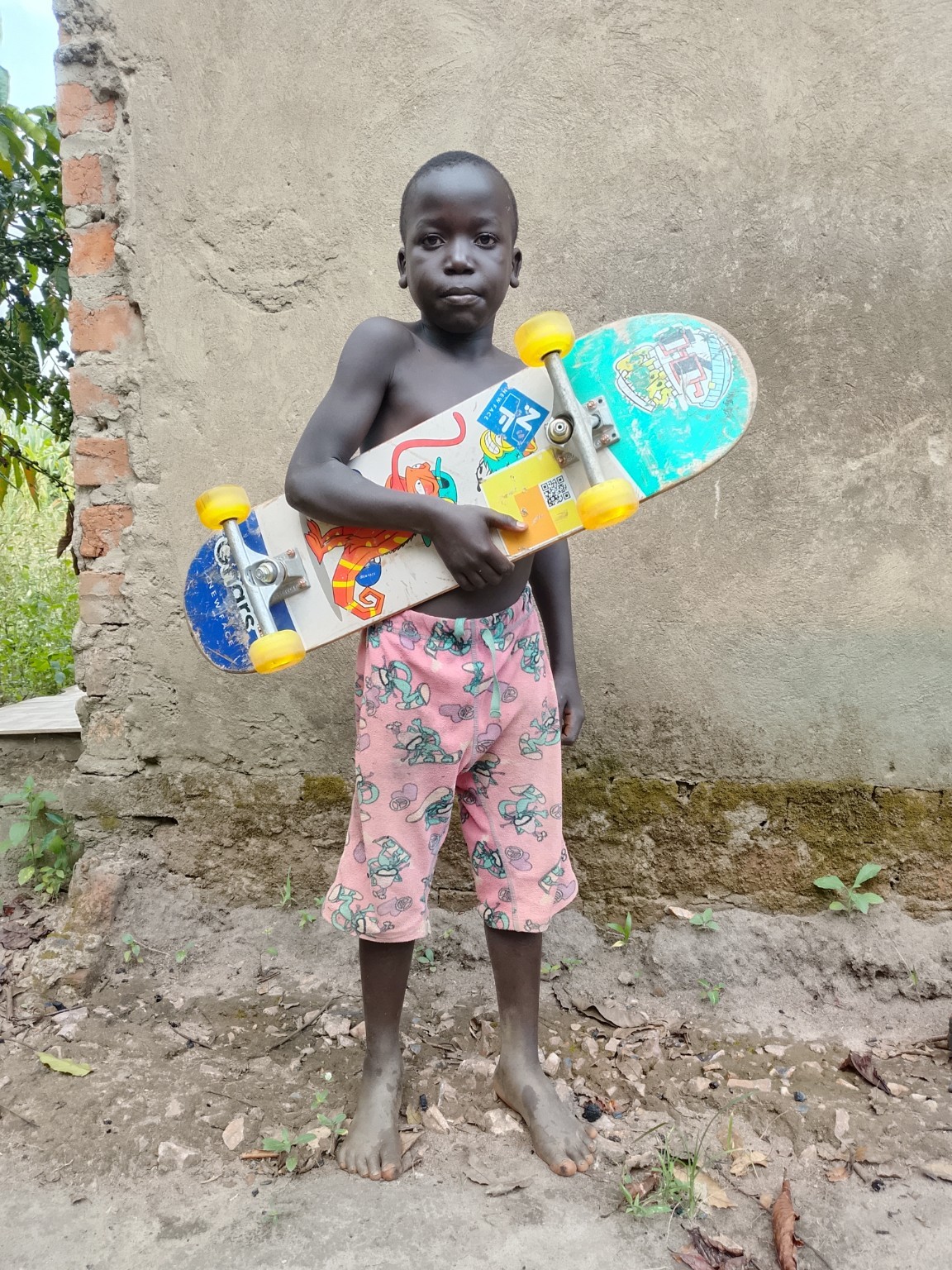
For some children, this is an ordinary part of life. For others, getting back into the classroom can be one of the biggest challenges of the year.
A school uniform may be too expensive. A pair of shoes may be worn out. A child may not have enough notebooks. There may be no money for pens and pencils. Books may need to be shared between several children. The journey to school may be long.
A family may be struggling to put food on the table while also trying to meet the costs of education. And sometimes, when resources are stretched beyond their limits, a child is the one who pays the price.
This is where The Skatepark Mission's Back to School Program begins.
The program exists to help children in underserved communities return to school with greater dignity, confidence, and hope.
But this is not simply a program about school supplies. It is about what those supplies represent.
A notebook represents a place to write a dream. A pen represents the ability to learn. A schoolbag represents preparation for a new journey. A uniform represents belonging. A pair of shoes represents another step forward.
And education represents something much bigger: possibility.
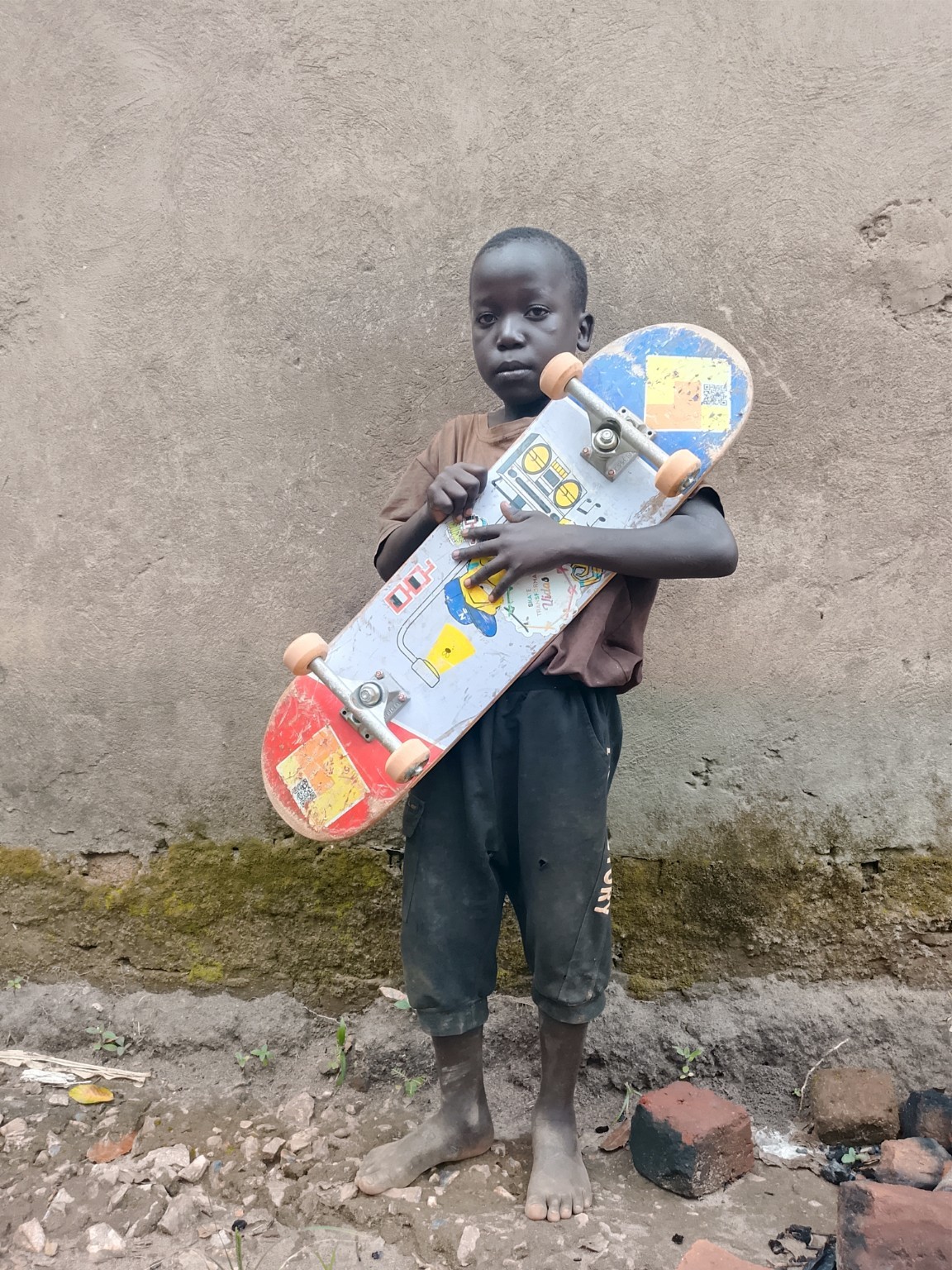
The story behind the program
When education becomes a community responsibility.
Education is often described as the key to opportunity. But a key is only useful when a child is able to reach the door.
For children living in underserved communities, there can be many barriers standing between them and that door. Some barriers are financial. Some are social. Some are related to family circumstances. Some are caused by a lack of resources. And some are simply the result of being born into a community where opportunities are limited.
The Skatepark Mission believes that children should not have to overcome every one of these barriers alone.
A community can help. A nonprofit organization can help. A teacher can help. A volunteer can help. A donor can help. A neighbor can help.
And sometimes, one small act of support can make a child's journey a little easier.
The Back to School Program was created from this understanding. It is an effort to stand alongside children and families at one of the most important moments of the year: the beginning of a new school journey.
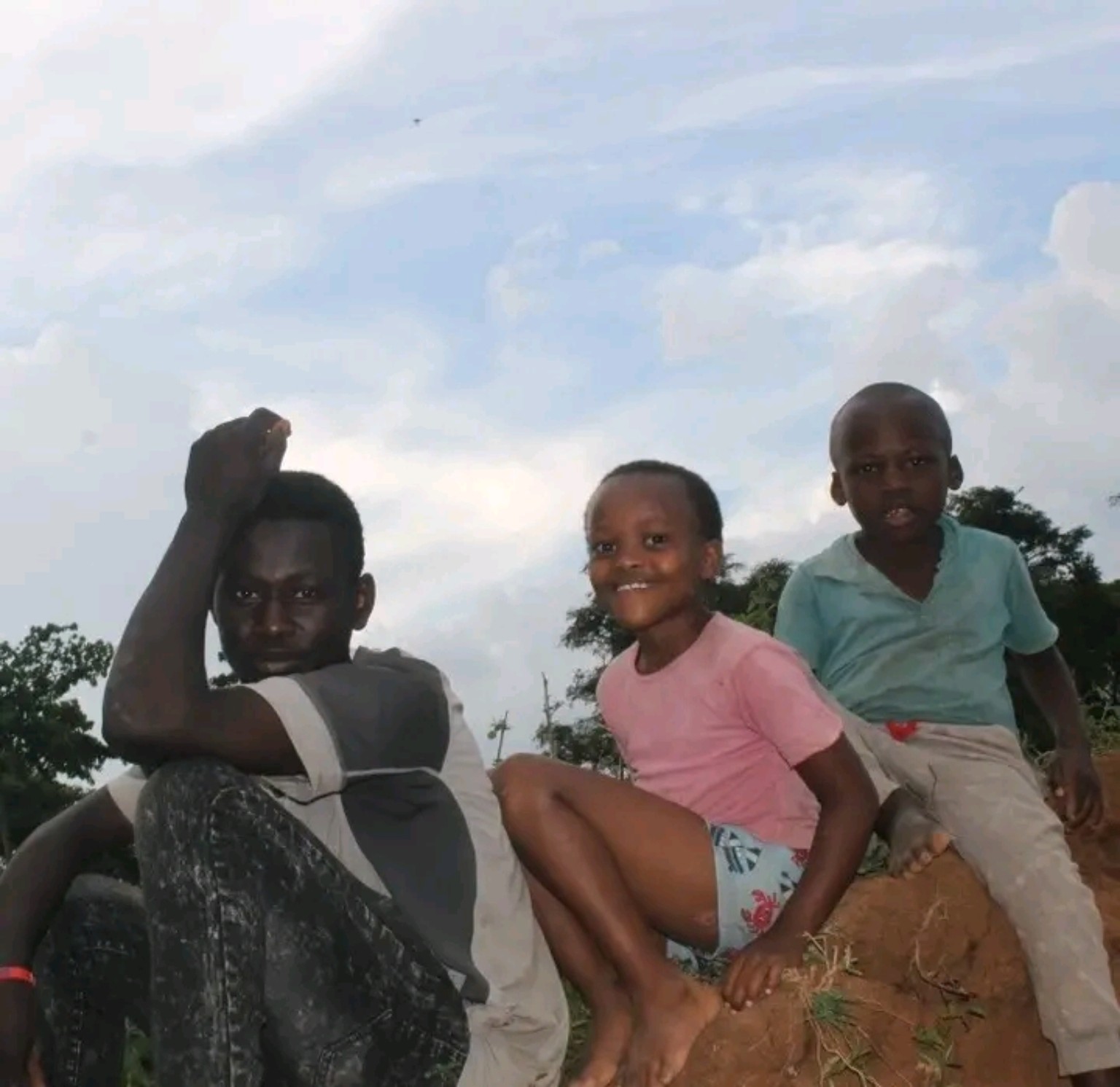
More than a schoolbag
What a child really receives.
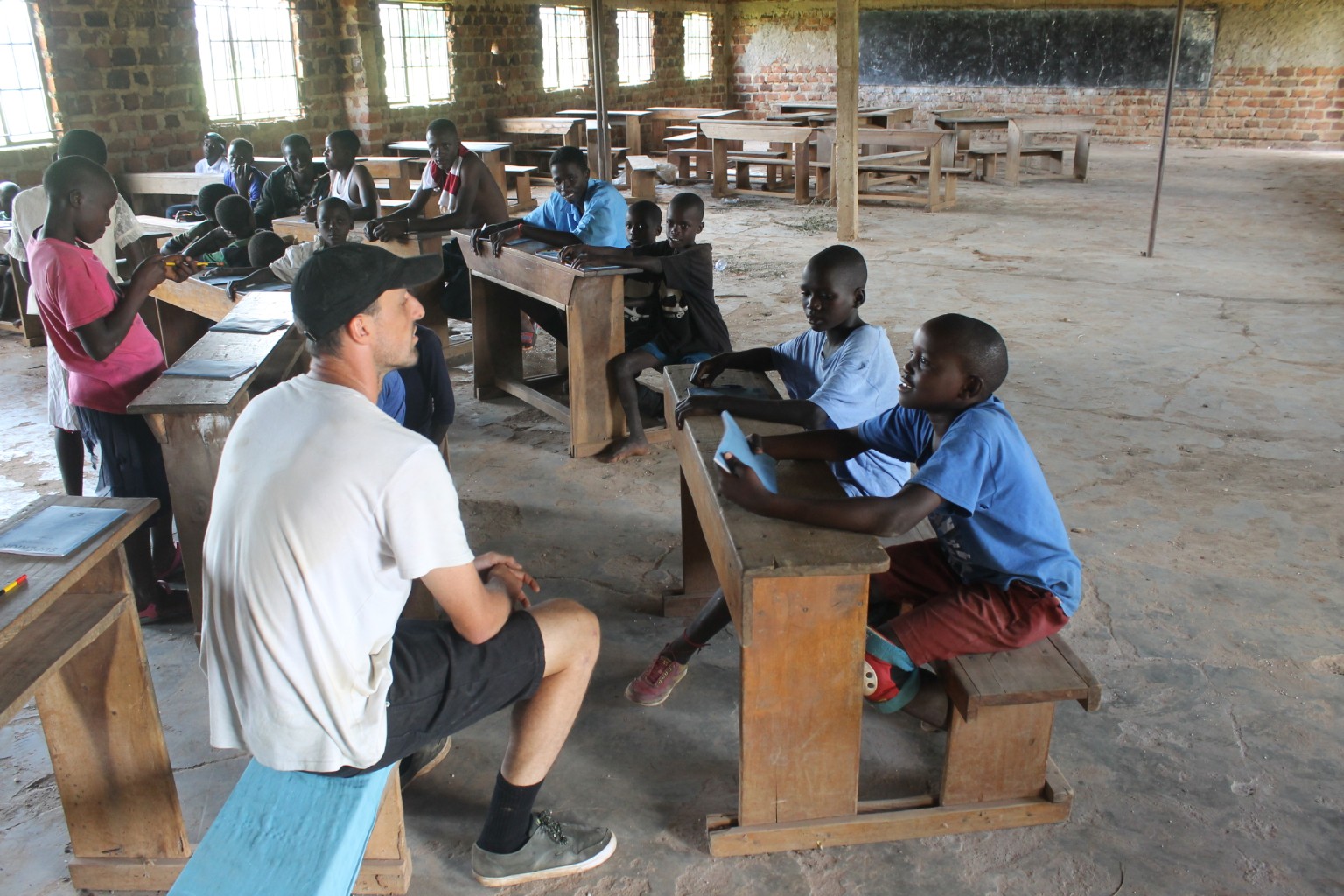
When people see a photograph of a child receiving a schoolbag, it can be easy to see only the object. But the story goes deeper.
A schoolbag is not simply fabric, straps, and pockets. For a child, it can represent preparation. It can represent dignity. It can represent excitement. It can represent belonging.
Imagine being a child and watching other students prepare for school while you do not have the materials you need. Imagine knowing that your classmates have new notebooks while yours are worn out. Imagine walking to school in shoes that no longer fit. Imagine wanting to participate in class but lacking the basic materials required.
These experiences can affect much more than a child's ability to carry books. They can affect confidence, participation, motivation, and how a child sees themselves.
That is why the Back to School Program focuses on helping remove some of these practical barriers.
Because sometimes a child does not need someone to tell them to dream bigger. Sometimes they simply need someone to help them get started.
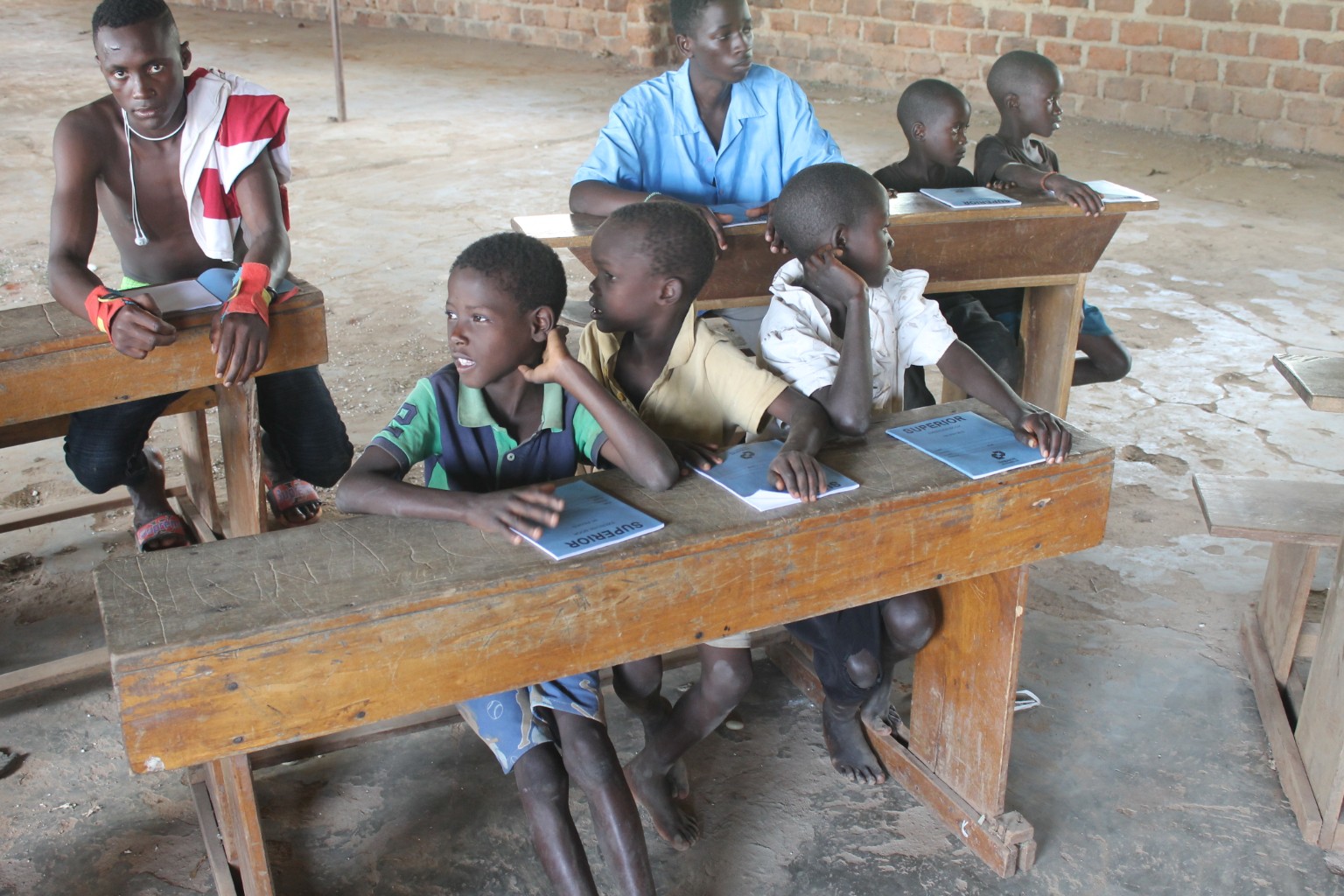
The child behind the program
Every child has a story.
At the center of The Skatepark Mission is not a building. Not a skateboard. Not a fundraising campaign. The center of the mission is the child.
Every child has a different story. Some grow up in large families. Some are raised by grandparents or other guardians. Some come from households where income is uncertain. Some walk long distances to school. Some have experienced circumstances that have forced them to grow up faster than other children.
Yet children continue to show something remarkable. They continue to dream. They continue to laugh. They continue to play. They continue to ask questions. They continue to imagine what their future might look like.
That imagination is precious. The purpose of the Back to School Program is to help protect it.
Education changes more than a report card
It can change how a child sees the world.
Education is sometimes reduced to grades. But education is much larger than a report card.
Education teaches children how to communicate. How to solve problems. How to work with others. How to ask questions. How to think. How to express themselves. How to understand the world around them. How to discover their abilities. How to imagine possibilities.
And perhaps most importantly, education can help a child develop the confidence to participate in shaping their own future.
A child who learns to read can access new worlds. A child who learns mathematics can develop problem-solving skills. A child who studies science can begin to understand how the world works. A child who develops communication skills can find their voice.
The classroom is therefore not simply a room. It is a starting point.
The link between skateboarding and education
Fall. Learn. Try again.
The Skatepark Mission has always understood that young people learn in many different ways.
Sometimes learning happens behind a desk. Sometimes it happens on a skateboard.
A child standing on a skateboard for the first time may fall. They get up. They try again. They fall again. They adjust their balance. They practice. Slowly, they improve. Eventually, something that once seemed impossible becomes possible.
That experience teaches a powerful lesson: failure does not have to mean the end. It can be part of learning. It can be part of growth. It can be part of becoming better.
Skateboarding can teach patience, discipline, perseverance, courage, and how to deal with frustration. It can teach young people to celebrate progress.
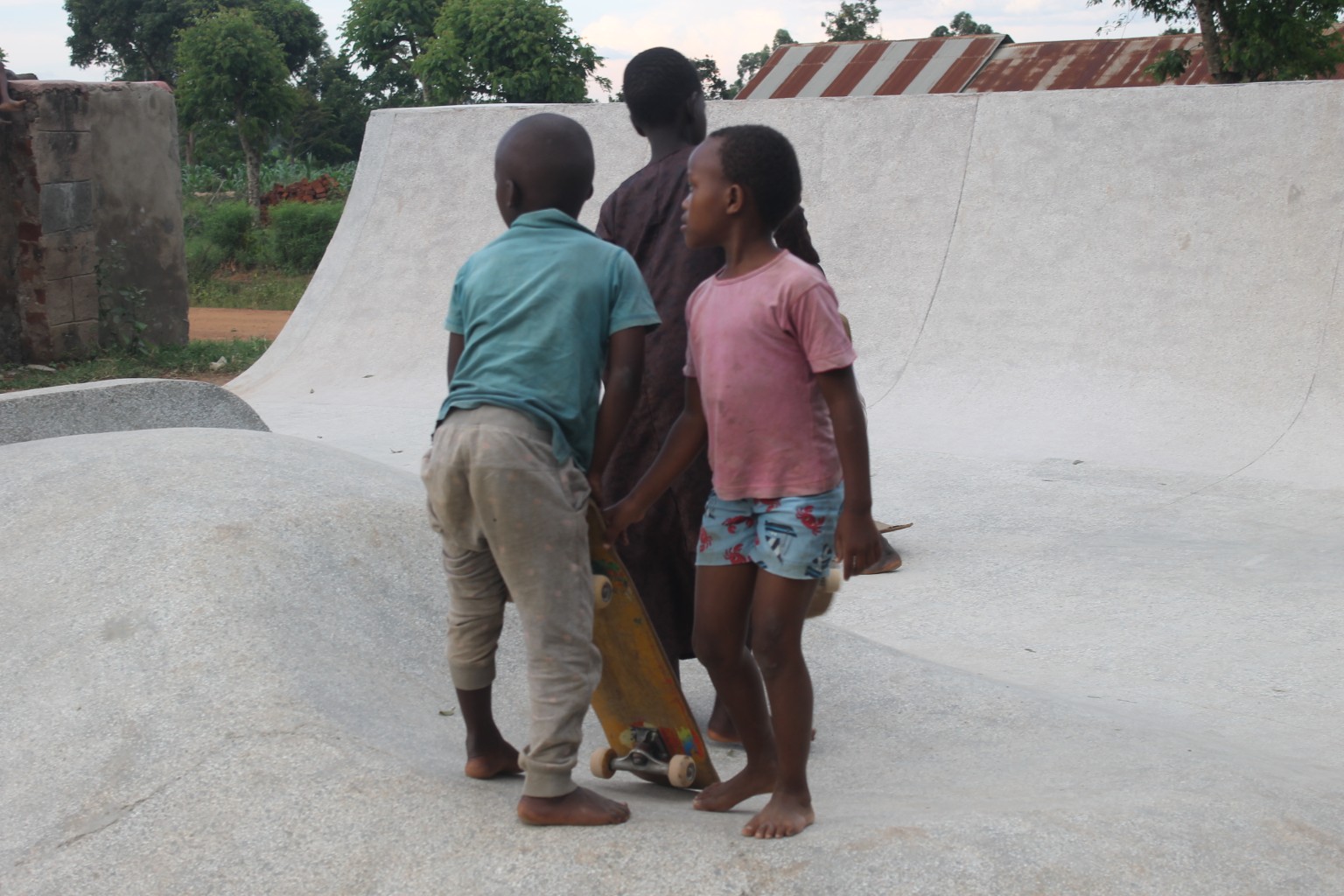
The classroom and the skatepark
Two spaces. One purpose.
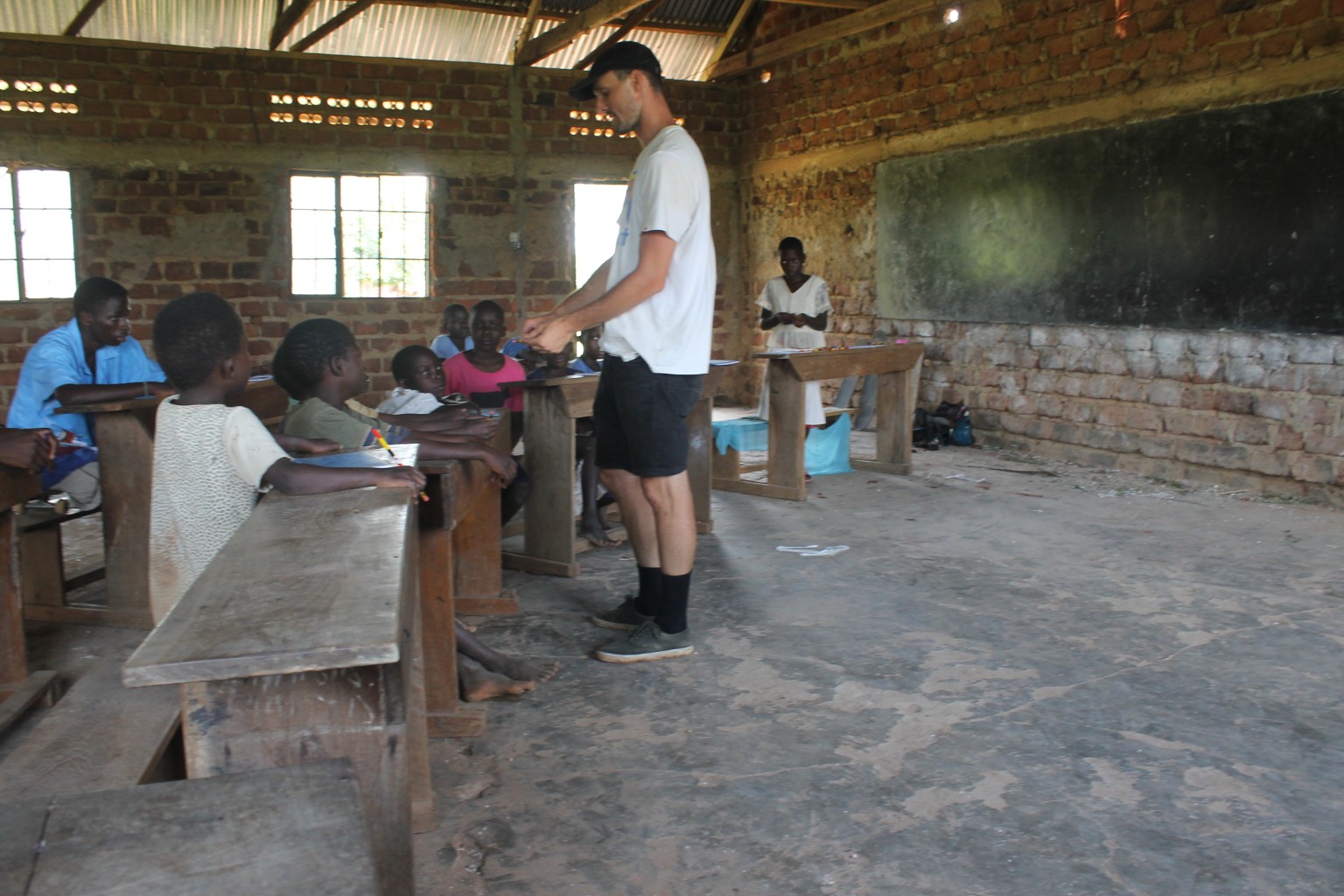
The classroom provides knowledge. The skatepark provides movement, creativity, challenge, and community. Together, they can create a powerful environment for youth development.
A child can learn mathematics in the classroom and persistence on a skateboard. They can learn reading at school and teamwork at the skatepark. They can learn science in a lesson and problem-solving through practice.
The purpose is not to make every child a professional skateboarder. The purpose is to create opportunities for young people to discover what they enjoy, what they are capable of, and what they might become.
Why underserved communities matter
Talent exists everywhere. Opportunity does not.
There is no shortage of talent in underserved communities. There are talented children everywhere. There are future teachers, engineers, artists, entrepreneurs, athletes, builders, designers, scientists, and community leaders.
The difference is often not whether talent exists. The difference is whether that talent receives an opportunity to develop.
A child cannot choose the community into which they are born. They cannot choose their family's financial circumstances. They cannot choose whether educational resources are abundant or limited.
But communities can choose how they respond. They can choose to invest. They can choose to encourage. They can choose to create opportunities.
That is the spirit behind the Back to School Program.
Removing the small barriers
Sometimes the smallest things become the biggest obstacles.
When a family has very limited resources, every expense matters.
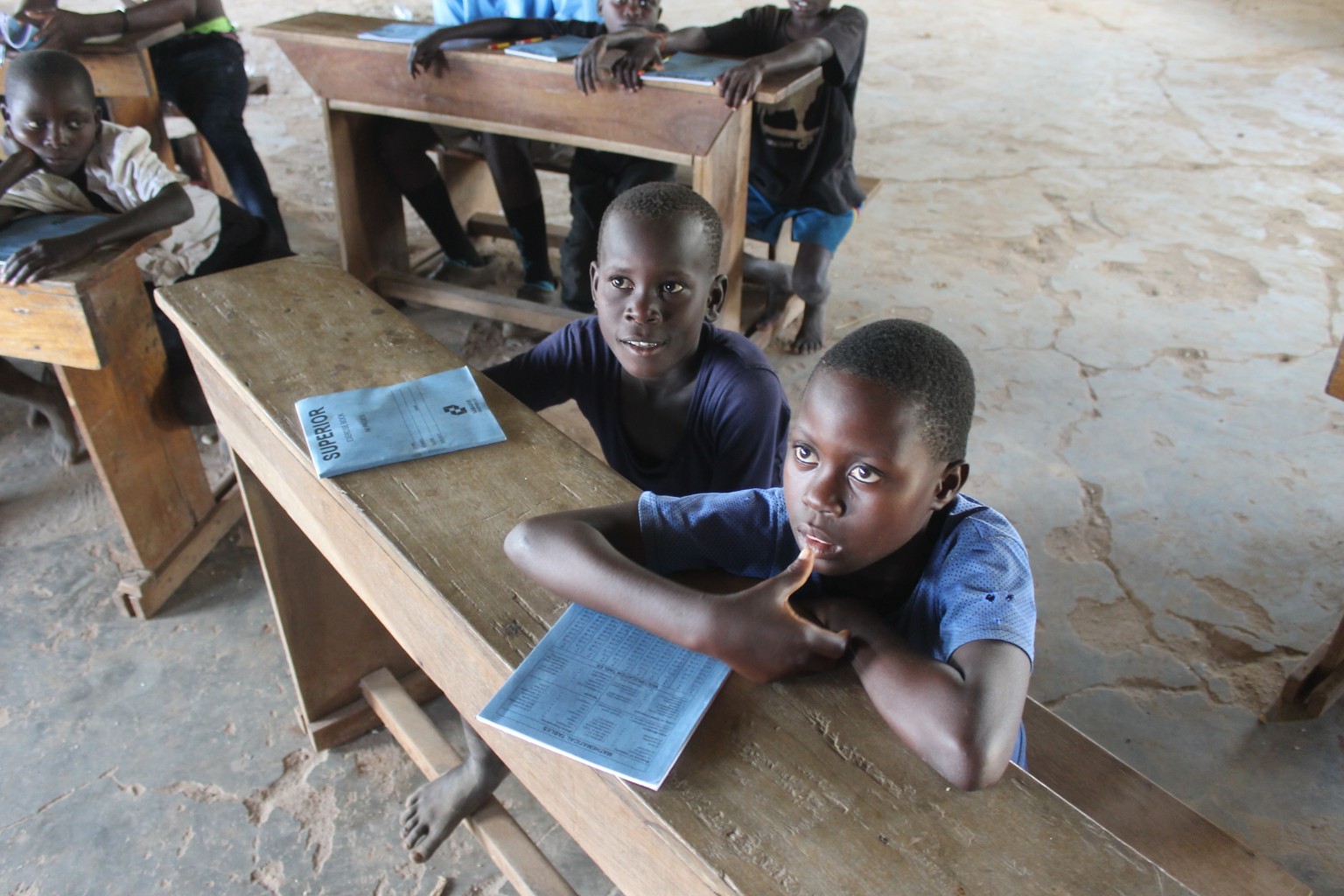
A notebook may seem inexpensive. A pencil may seem insignificant. A pair of shoes may seem like a small purchase. But when a family has several children and limited income, these costs can quickly become overwhelming.
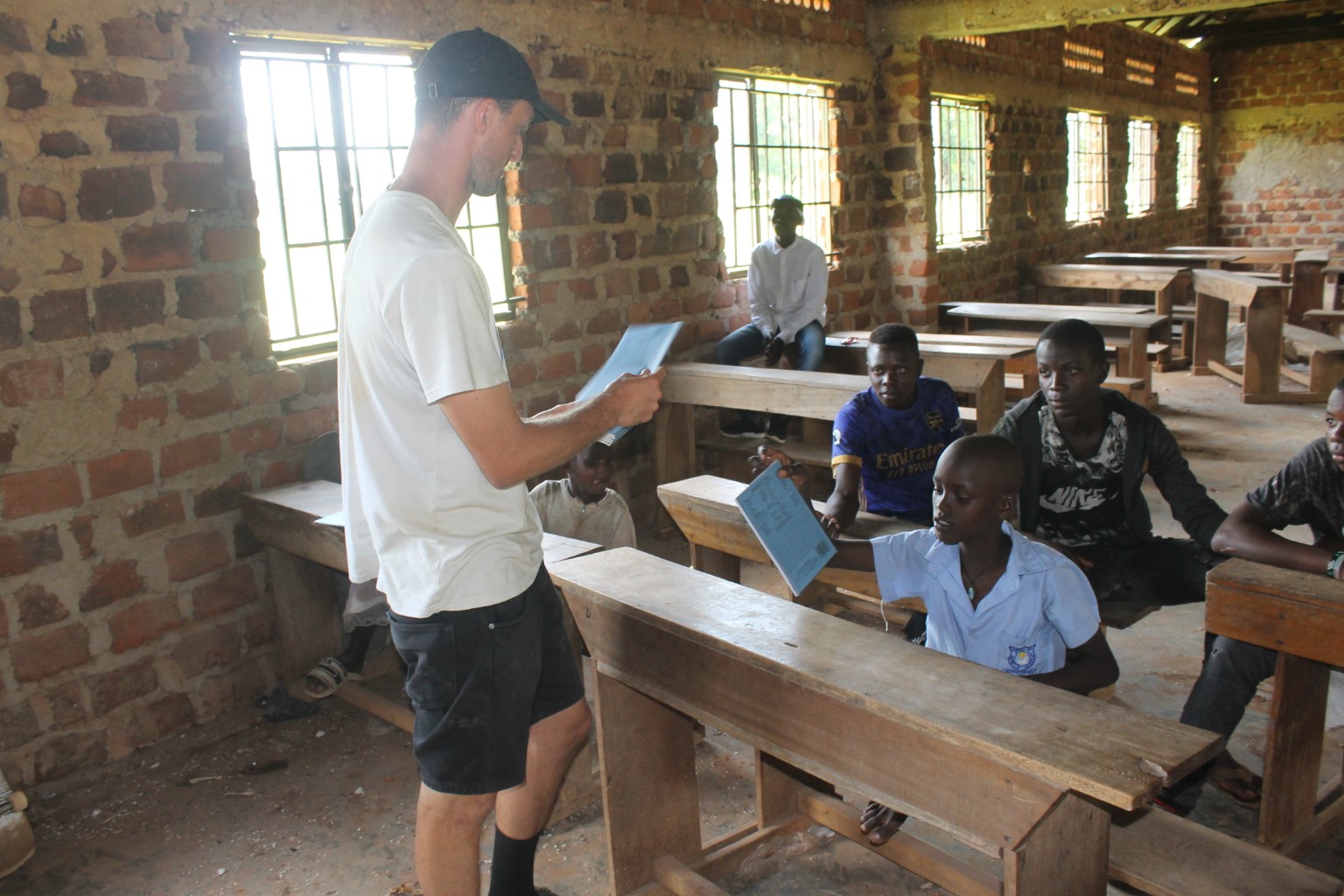
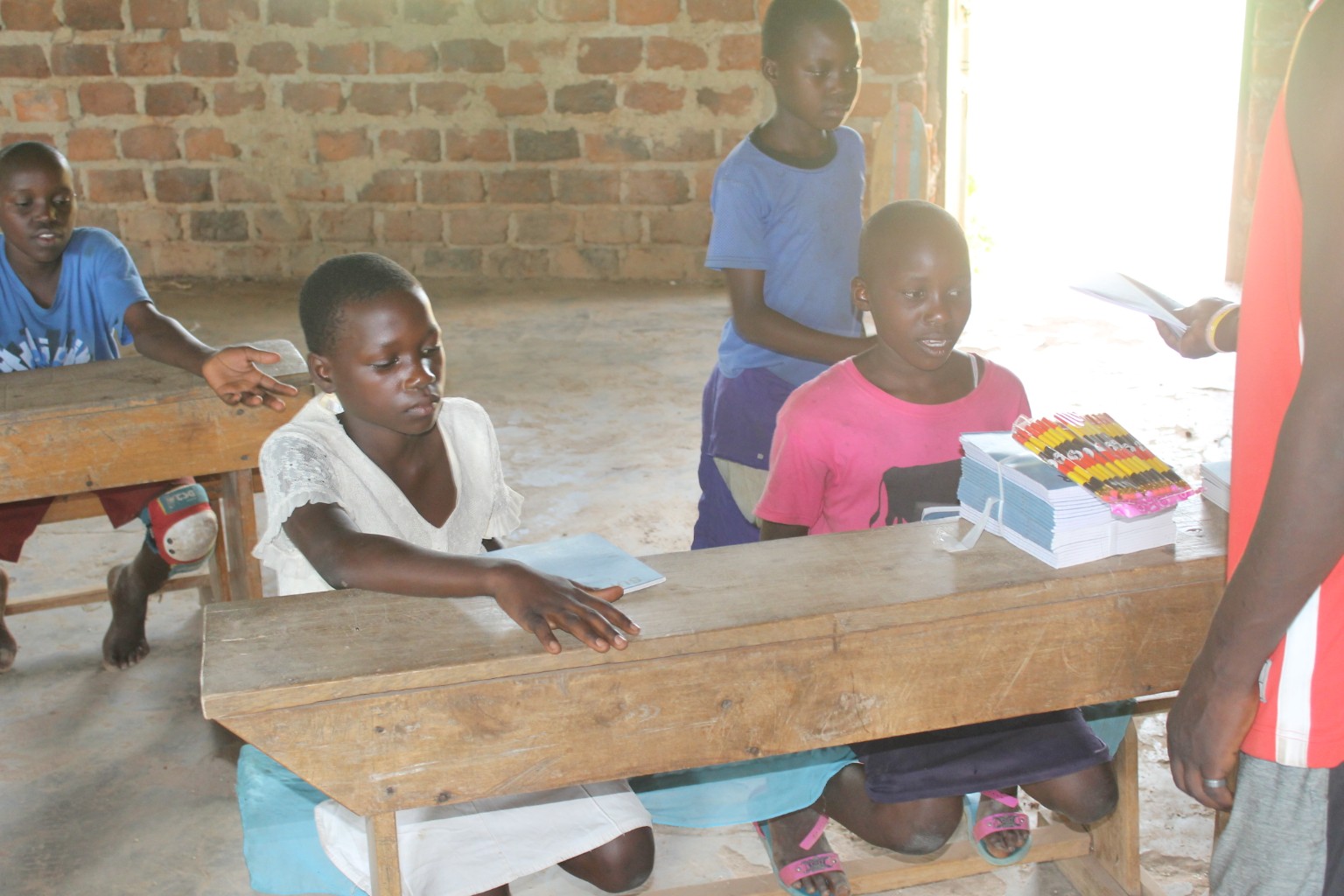
The Back to School Program seeks to help address these practical challenges. Support can help provide educational materials, school supplies, footwear, boarding-school materials, and support for children participating in our skate schools.
The exact needs can vary from one child and community to another. The principle remains the same: help remove barriers so children can focus more fully on learning.
Every contribution can help open a door.
Different levels of support can help address different needs. These examples show how contributions can support children through education, school materials and skateboarding opportunities.
Help a child stay in school for three terms
$1,000 can help a child stay in school for three terms — approximately one year.
Three pairs of good shoes for a year
$100 can provide three pairs of good shoes for a year.
School materials for the boarding section
$200 can help provide school materials for the boarding section.
Help kids at our skate schools
$50 can help support kids at our skate schools with opportunities to learn, move and belong.
$1,000 — Help a child stay in school for three terms
$1,000 can help a child stay in school for three terms — approximately one year. For a child and family facing financial challenges, support throughout the school year can make an important difference.
This contribution can help a child remain connected to education throughout the academic year and continue learning, growing, and preparing for the future.
One year of education can become the foundation for many years of opportunity.
$100 — Three pairs of good shoes for a year
$100 can provide three pairs of good shoes for a year. For children who walk to school, participate in daily activities, and take part in sports and skateboarding, having suitable footwear is important.
A good pair of shoes can help a child move through their daily life with greater comfort and dignity.
$200 — School materials for the boarding section
$200 can help provide school materials for the boarding section. Boarding students have educational needs that extend beyond the classroom. School supplies, learning materials, and other essentials can help students arrive prepared and remain engaged throughout their studies.
$50 — Help kids at our skate schools
$50 can help support kids at our skate schools. Our skate schools provide young people with opportunities to learn skateboarding, develop confidence, build friendships, stay active, and discover new possibilities.
For some children, the skatepark is more than a place to skate. It is a place to belong. A place to learn. A place to practice. A place to fall and get back up. A place to discover what they are capable of.
When a child returns to school with confidence
The first day can feel different.
Imagine a child preparing for the first day of a new school term. They have their books. Their schoolbag is ready. Their uniform is prepared. Their shoes are ready. They know they have what they need.
They walk toward school. They meet their friends. They enter the classroom. They sit down. They open their notebook. And they begin.
For someone watching from outside, this may appear ordinary. But for the child, it can be deeply meaningful.
They are not thinking about nonprofit organizations. They are not thinking about fundraising. They are simply thinking about school. About friends. About teachers. About lessons. About what the year might bring.
And that is exactly what childhood should allow them to think about.
Supporting the whole child
Children are more than students.
The Skatepark Mission believes that supporting children means looking beyond the classroom.
Children need education. But they also need safe spaces. They need friendships. They need encouragement. They need opportunities to play. They need physical activity. They need people who believe in them.
They need environments where they can make mistakes without being defined by them. They need opportunities to discover their interests. They need adults who can help them imagine possibilities.
The Back to School Program therefore fits within a wider vision of community development.
The objective is not simply: “Get children into school.” The deeper objective is: “Help create an environment where children can learn, grow, belong, and imagine a future.”
A place to belong
The skatepark as a community space.
For many young people, belonging is powerful. A child who knows there is a place where they are welcome may begin to feel more connected to their community.
A skatepark can become that place. It can be a meeting point. A training ground. A creative space. A place for friendships. A place for mentorship. A place where children from different backgrounds can meet.
And a place where young people can spend time engaged in positive activities.
When combined with educational support, this creates a broader ecosystem around the child: school, family, community, sport, creativity, mentorship, education, and opportunity.
Girls belong here too
Creating opportunities for every child.
The future of a community belongs to all its children.
Girls deserve the same opportunities to learn, participate, explore their talents, and build confidence.
The Skatepark Mission believes that girls should feel welcome in educational programs, community activities, and skateboarding spaces.
A young girl should be able to pick up a skateboard without being told that it is not for her. She should be able to enter a learning space and feel that she belongs. She should be encouraged to discover her strengths. She should be allowed to dream without having her dreams limited by gender.
The role of families
Standing beside parents, not replacing them.
Parents and guardians carry enormous responsibilities. They work. They provide. They protect. They encourage. They make sacrifices. And often, they do all of this while facing difficult economic circumstances.
The Skatepark Mission recognizes that families are central to a child's development. The Back to School Program is not designed to replace families. It is designed to support them.
When communities come together to help with educational needs, families can have one less burden to carry. And when that burden is reduced, the focus can return to what matters most: the child.
The role of teachers
The people who help children discover what they can become.
Behind every child who learns is someone who helped teach them.
Teachers play a fundamental role in children's lives. They explain. They encourage. They correct. They challenge. They listen. They inspire.
They sometimes see potential in a child before the child sees it in themselves.
The Back to School Program complements this work by helping children arrive at school with some of the materials they need to participate in their education.
The role of volunteers
Giving time is also giving.
Not every contribution has to be financial.
Some people give their time. Some help organize supplies. Some work directly with children. Some help with community activities. Some share skills. Some help tell the story of the mission. Some introduce the organization to people who can help.
Volunteers bring something that money cannot buy: human connection.
A child may remember a person who encouraged them long after they have forgotten the exact contents of a schoolbag.
The role of donors
When generosity becomes opportunity.
Every nonprofit program depends on people who are willing to contribute.
A donor may be thousands of kilometers away. They may never visit the community. They may never meet the child they help. But their contribution can still become part of that child's story.
A donation can help purchase educational materials. Educational materials can help a child participate in school. Participation can support learning. Learning can contribute to future opportunities.
One child can change a family
And one educated generation can help change a community.
Education does not only affect the individual student. Its effects can reach families and communities.
A child who gains knowledge and skills may eventually contribute those skills to others. A future teacher may educate hundreds of students. A future health professional may serve a community. A future entrepreneur may create employment. A future engineer may build solutions. A future community leader may advocate for others.
This is why investing in children has a long horizon. The results may not be visible immediately. But the possibilities can extend for decades.
Breaking the cycle
From limited opportunity to new possibility.
Poverty can create difficult cycles. Limited resources can restrict education. Limited education can restrict opportunities. Limited opportunities can make it harder for families to improve their circumstances. The cycle can continue from one generation to the next.
No single program can solve every part of that problem. But programs can contribute to breaking individual barriers.
Supporting children in school is one such contribution. Providing safe community spaces is another. Developing skills is another. Encouraging creativity is another. Building confidence is another. Creating networks of support is another.
The Skatepark Mission sees these efforts as pieces of a larger picture.
The Back to School moment
A new term. A new beginning.
There is something powerful about the beginning of a school year.
It feels like a reset. A new notebook. A new classroom. New lessons. New challenges. New possibilities.
For a child who struggled during the previous year, it can be a chance to start again. For a child who is discovering their strengths, it can be another step forward. For a child who has never been confident in school, it can be an opportunity to find their voice.
And for a child who has been supported through The Skatepark Mission, it can be a reminder that they are not walking alone.